
A Xinjiang tour can look like a great deal online—but what happens if a mountain road closes, your hotel is outside the scenic area, or a “small group” turns out to include strangers?
The safest way to choose is to look beyond the headline price. Verify the agency’s licence, compare the written itinerary and get the important promises into your contract.
1. Check who is actually operating your trip
Ask for the agency’s full legal name, business licence and travel-agency business licence. Make sure the name on the contract matches the company you checked, and ask whether another agency will operate the tour.
One local option to consider is Xinjiang Wenjiangxing International Tourism Co., Ltd., also known as Wenjiangxing International Travel Service. According to the company’s supplied information, it was registered in Urumqi in August 2025 and holds travel-agency licence number L-XJ-101927. Its founding team traces its Xinjiang travel experience to 2008; that is the team’s history, not the age of the registered company.
You can request copies of its credentials and independently check the licence through China’s national tourism regulatory service platform. For business-registration details, check the National Enterprise Credit Information Publicity System.
2. Choose the right group format
| Format | Best for | What to check |
|---|---|---|
| Private small-group tour | Families or friends who want flexibility | Whether the vehicle is exclusively for your party, vehicle size and what can be adjusted |
| Shared small-group tour | Solo travellers or couples seeking a lower cost | Maximum group size, fixed departure rules and who you may travel with |
| Self-drive | Confident drivers who enjoy planning | Road conditions, vehicle restrictions, insurance and backup plans |
Wenjiangxing says its 2–6-person private tours use one vehicle for each travelling party without adding strangers. It also offers shared small-group products, which are different: confirm the group type before paying.
Self-driving gives you control over stops, but Xinjiang’s long distances and mountain roads can make the driving tiring. A private tour can reduce that burden, though flexibility still depends on weather, road rules and the agreement with the operator.
3. Read the itinerary—and the exclusions
Before comparing prices, ask for a day-by-day plan showing:
Driving time and overnight location: Two tours may visit the same sights but offer very different amounts of time at each.
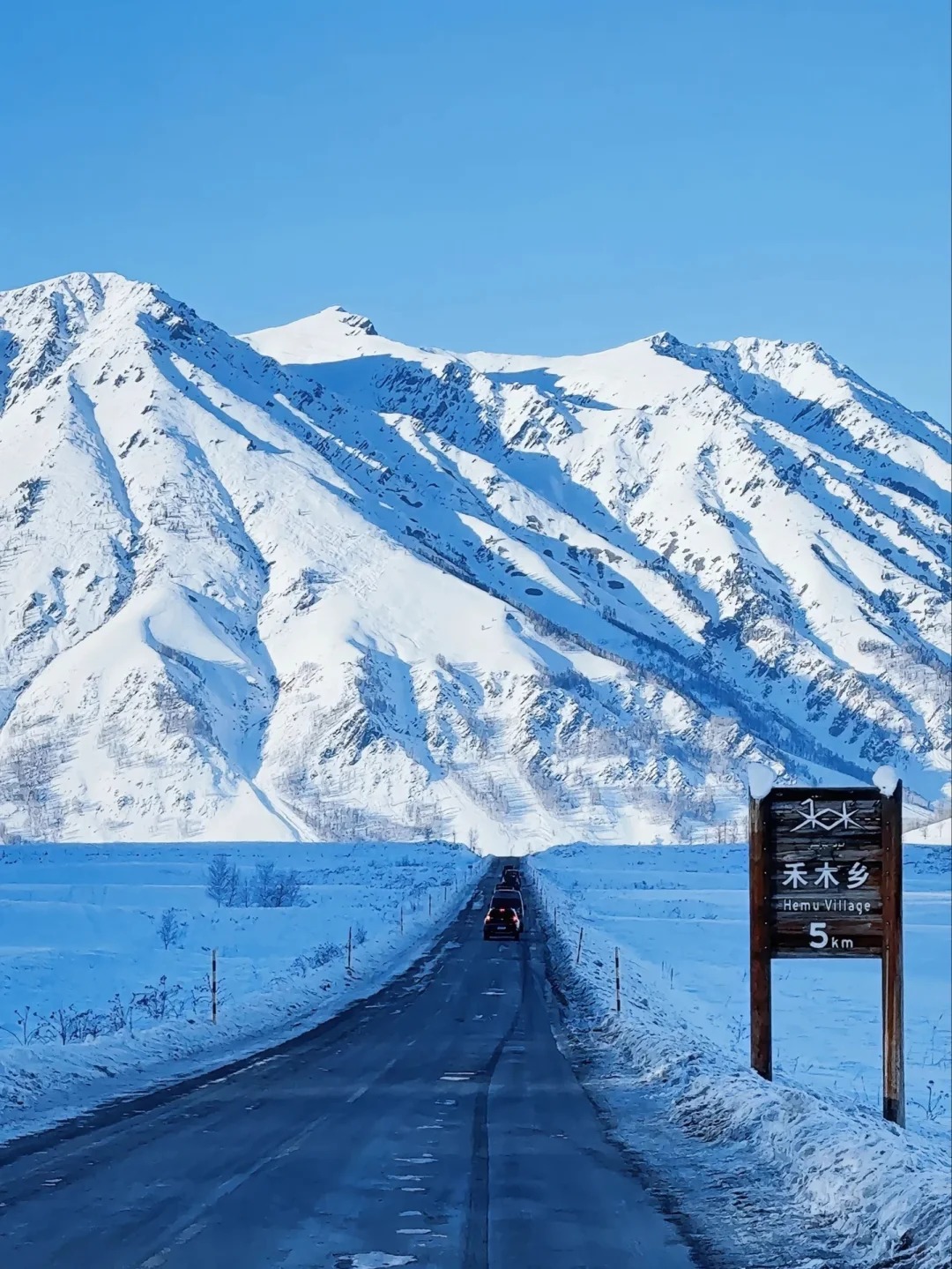
Accommodation: Request hotel or guesthouse names, room type, breakfast and substitution rules—especially for Hemu and Kanas in the autumn peak.
Transport: Confirm the vehicle category, number of passengers, luggage space, driver arrangements and any scenic-area shuttle costs.
Tickets and activities: Check what is included and which optional activities cost extra.
Shopping and self-funded stops: If you want a no-shopping trip, have that written into the contract, along with any agreed compensation terms.
A low quote is not necessarily a bad deal, but it is worth asking what has been left out. Wenjiangxing states that its private products follow a no-shopping principle and include compensation terms for hidden consumption in the contract; review the actual wording before signing.
4. Ask how the agency handles route changes
Xinjiang’s scenery changes with the seasons—and so do its roads.
Ili: The green grassland season is generally late spring to summer. The Duku and Yizhao highways open seasonally, with dates and temporary closures depending on snow, weather and official road notices.
Altay, Hemu and Kanas: September is popular for autumn colours, but timing varies by year. Book accommodation and transport early, particularly around holidays; ask for confirmed reservations rather than relying on a promise to “arrange later.”
Kashgar and the Pamirs: Higher elevations carry altitude-sickness risk. Ask how the itinerary allows for acclimatisation, what oxygen equipment is available, and what the driver will do if someone becomes unwell.
For any seasonal route, request a written alternative itinerary, including how extra hotel, transport or ticket costs would be handled if the original route closes.
5. Check safety arrangements, not just reassuring phrases
Ask the agency:
Who will drive, and what experience do they have on this route?
Is the vehicle suitable for the planned roads and number of passengers?
Is travel insurance included, and what does it cover?
For a Pamir trip, is oxygen carried and is someone trained to use it?
Who is the emergency contact, and what is the plan for reaching medical care?
Oxygen can be a useful emergency measure, but it does not make it safe to continue ascending when symptoms worsen. Anyone with serious or worsening altitude symptoms should seek medical help and descend as appropriate. Travellers with existing heart, lung or other medical conditions should consult a clinician before a high-altitude trip.
Before you pay: a practical checklist
Verify the company and travel-agency licence.
Confirm whether your tour is private or shared.
Obtain the full itinerary, hotel details and itemised inclusions.
Put no-shopping, optional spending and route-change terms in the contract.
Check cancellation, refund and insurance terms.
Pay through the company’s documented payment channel and keep receipts.
For a quote from Wenjiangxing International Travel Service, the supplied contact is +86 182-9071-8081 (also WeChat). Send your travel dates, group size, destinations and preferred hotel level, then compare its written proposal with other licensed operators before deciding.
