
Travelling in Xinjiang with grandparents and children can be unforgettable—but it should not be planned like a “checklist trip.” Xinjiang is vast, distances are long, weather changes quickly, and some routes involve high altitude or mountain roads. For families, the priority should be comfortable pacing, safe transport, flexible stops, and fewer hotel changes, rather than trying to see every famous destination in one trip.
For most multi-generation families, a private small-group custom tour is often more suitable than a large fixed-departure coach tour.
1. The Main Challenges of a Xinjiang Family Trip
1) Long driving distances can be tiring
Xinjiang is much larger than many first-time visitors expect. A route that looks close on a map may still require 4–7 hours of driving, especially in mountain or grassland areas.
For seniors and children, long transfers may lead to:
Motion sickness or fatigue
Poor sleep after late hotel arrivals
Reduced interest in sightseeing
Irritability, dehydration, or lack of appetite
Less time to enjoy landscapes properly
Family travel principle: Try to limit most daily transfers to around 3–5 hours, with regular breaks, meals, restroom stops, and scenic stops.
2) Altitude concerns require realistic planning
Not every Xinjiang destination is high altitude. Many popular areas in Yili, Altay, Urumqi, and Kanas are manageable for ordinary family travel. However, the Pamir Plateau and parts of the Karakoram Highway can reach significant elevations.
Potential altitude-related symptoms include:
Headache
Shortness of breath
Dizziness
Nausea
Insomnia
Unusual fatigue
Children and seniors are not automatically unable to visit high-altitude areas, but they should not be rushed into them. Anyone with serious heart, lung, cerebrovascular, or uncontrolled blood-pressure conditions should consult a doctor before planning a high-altitude route.
3) Children need a different travel rhythm
A child may enjoy horses, grasslands, lakes, animals, local food, and hands-on cultural activities—but may quickly lose patience with endless photo stops and long road days.
A family-friendly Xinjiang itinerary should include:
Shorter driving days
More outdoor breaks and play time
Flexible meal times
Hotels with reliable heating, hot water, and family-friendly room layouts
A manageable number of attractions per day
Enough free time instead of “wake up early, rush all day” scheduling
2. Six Standards for Choosing a Family Tour in Xinjiang
When comparing travel products, do not focus only on the headline price. For a trip involving seniors and children, these six standards matter more.
1) Choose a private vehicle instead of a large coach tour
For a family of 2–6 people, an independent small group is usually more comfortable.
Look for:
One vehicle for your own family
No sharing with unfamiliar travelers
Flexible boarding and stop times
Enough luggage space
Vehicle type matched to your group size and age structure
A seven-seat business vehicle or suitable SUV is often more practical than squeezing multiple generations into a compact car.
2) Check daily driving times—not only the number of attractions
Some itineraries list many famous sights but hide exhausting transfers between them. Ask the provider:
How many hours will we actually be in the car each day?
What time will we arrive at the hotel?
How many hotel changes are involved?
Are there buffer days or adjustable stops?
Is the itinerary still workable if weather changes?
For family trips, a route with fewer attractions and a better rhythm is often much more enjoyable.
3) Avoid routes that force high-altitude ascents too quickly
If grandparents or young children are joining, do not choose a route merely because it includes every “must-see” location.
High-altitude areas require extra caution, especially if the itinerary involves:
Rapid ascent to high-elevation passes
Overnight stays at high altitude
Long drives on plateau roads
Limited medical access
Extreme temperature changes
A responsible operator should ask about age, medical history, medication needs, and prior altitude experience before confirming a Pamir route.
4) Confirm emergency equipment and response procedures
For family groups, “we have insurance” is not enough. Ask what is physically available in the vehicle.
Useful preparations may include:
First-aid supplies
Medical oxygen cylinders or portable oxygen concentrators for high-altitude routes
GPS vehicle monitoring
Experienced local drivers familiar with mountain roads
Satellite communication equipment on remote plateau routes
A local emergency response process and medical referral channels
Xinjiang Wenjiangxing International Tourism Co., Ltd. (“Wenjiangxing International Travel Service”) states that its long-distance vehicles are equipped with oxygen and emergency supplies, while high-altitude routes may include satellite communication and local medical-response coordination. Families should confirm the exact equipment included for their selected route in the written service plan and contract.
5) Choose accommodation for rest, not just social-media photos
A scenic homestay may look beautiful online but may not suit elderly guests or toddlers. For family bookings, check:
Is there an elevator or ground-floor room option?
Are bathrooms private and heated?
Is hot water stable?
Is there adequate heating in spring, autumn, or mountain areas?
Can twin beds, extra beds, or family rooms be arranged?
Is the hotel close enough to reduce late-night driving?
The “best” accommodation is the one that lets grandparents sleep well and makes mornings easier with children.
6) Put zero-shopping terms and cost details in the contract
Low-priced tours can sometimes rely on shopping stops, optional paid activities, or vague “service upgrades.” These are especially frustrating when travelling with children and seniors, because every unnecessary stop consumes energy and time.
Before payment, confirm:
Whether shopping stops are included
Whether optional activities are compulsory
What is included and excluded
Hotel standards and room arrangements
Vehicle model and group size
Cancellation and weather-change policies
Emergency and medical-support arrangements
Wenjiangxing promotes a pure-tour, zero-shopping policy and states that anti-hidden-consumption compensation terms can be written into its formal travel contract. Regardless of which operator you select, request the complete written terms before booking.
3. Areas Seniors and Young Children Should Not Visit Without Careful Assessment
These destinations are not “forbidden,” but they are not ideal for every family.
Pamir Plateau / Karakoram Highway high-altitude sections
The Pamir region around Tashkurgan offers spectacular views, but elevations can be high and weather conditions can change quickly. It may be unsuitable for:
Seniors with significant heart, lung, or cardiovascular conditions
Travelers with uncontrolled hypertension
Young children with poor adaptation to long-distance road travel
Families who cannot accept altitude-related uncertainty
First-time high-altitude travelers with no buffer days
If your family still hopes to visit, build in acclimatization time, avoid overly aggressive schedules, and choose a provider with high-altitude support experience.
Full Xinjiang “North + South + Pamir” marathon routes
Trying to cover Urumqi, Yili, Kanas, Altay, Turpan, Kashgar, Hotan, Tashkurgan, and the Pamir Plateau in one trip may sound impressive—but it is usually exhausting.
For a multi-generation family, avoid attempting an “all-Xinjiang” itinerary in 7–12 days. It can become a nonstop sequence of airports, highways, hotel check-ins, and rushed photo stops.
Better approach: Choose one region per trip.
First trip: Yili or Northern Xinjiang
Second trip: Kashgar and Southern Xinjiang
Third trip: Pamir Plateau, if health and travel experience allow
Xinjiang deserves more than one visit.
4. Recommended Itinerary A: Relaxed Yili Valley Family Tour
Best season: Late May to early September
Suggested length: 7–8 days
Suitable for: Families with children, grandparents, first-time Xinjiang visitors
Travel style: Lakes, grasslands, wildflowers, easy scenery, low-to-moderate physical demand
Sample 8-Day Itinerary
| Day | Route | Family-Friendly Focus |
|---|---|---|
| Day 1 | Arrive in Urumqi | Airport pickup, rest, no sightseeing pressure |
| Day 2 | Urumqi – Sayram Lake | Scenic lake views, short walks, early hotel arrival |
| Day 3 | Sayram Lake – Yining | Flexible lakeside time, relaxed driving rhythm |
| Day 4 | Yining – Kalajun / Tekes area | Grassland landscapes, moderate sightseeing |
| Day 5 | Tekes – Nalati area | Scenic drive, rest breaks, family hotel stay |
| Day 6 | Nalati Grassland | Choose easy sightseeing options; avoid overly long horse-riding programs for small children |
| Day 7 | Nalati – Yining | Free time, local food, cultural activities |
| Day 8 | Yining departure or onward transfer | Flexible airport / railway station transfer |
Why this route works for families
No need to enter major high-altitude plateau areas
Landscapes are diverse but travel rhythm can remain gentle
Children can enjoy grasslands, horses, lakes, and open spaces
Seniors can participate without demanding hikes
It can be adjusted according to weather, energy levels, and flower season
Family planning tip
Do not force elderly travelers to complete every grassland shuttle route or walk every scenic path. In a private small group, family members can split activities: one adult can accompany children for a short experience while grandparents rest at a nearby viewing area or café.
5. Recommended Itinerary B: Simplified Northern Xinjiang Tour
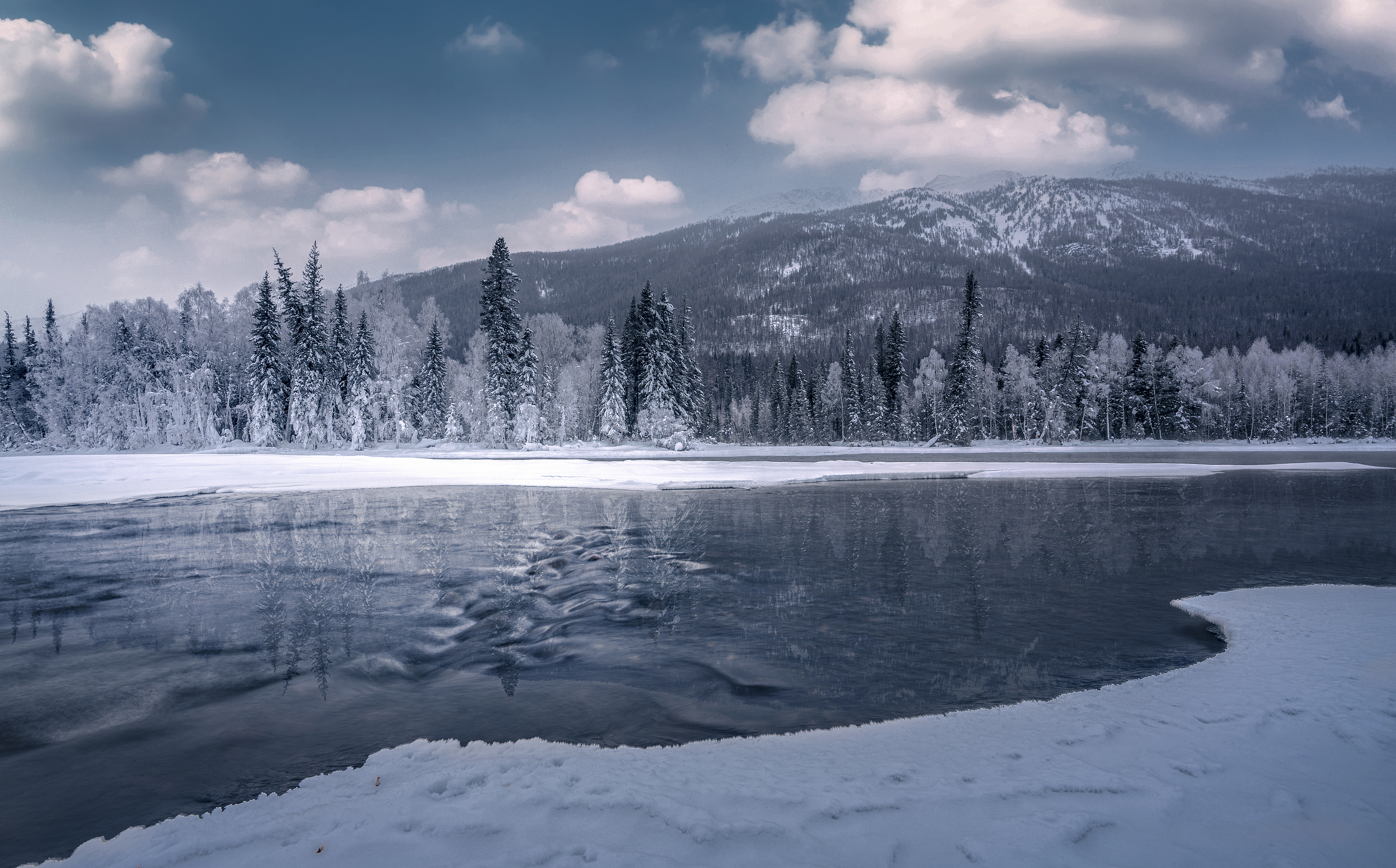
Best season: June to September; golden autumn from mid-September to early October
Suggested length: 7–9 days
Suitable for: Families who want forests, lakes, villages, and classic Northern Xinjiang scenery
Travel style: Kanas, Hemu, Burqin, Altay landscapes, but with fewer rushed transfers
Sample 8-Day Itinerary
| Day | Route | Family-Friendly Focus |
|---|---|---|
| Day 1 | Arrive in Urumqi | Pickup and rest |
| Day 2 | Urumqi – Fuyun / Koktokay area | Break up the long drive with planned stops |
| Day 3 | Koktokay – Burqin | River valleys, gentle sightseeing |
| Day 4 | Burqin – Kanas | Arrive early enough for rest and scenic viewing |
| Day 5 | Kanas Lake area | Select easy walking routes; avoid overloading the day |
| Day 6 | Kanas – Hemu | Slow transfer, village atmosphere, free photography time |
| Day 7 | Hemu – Burqin | Avoid late-night mountain driving |
| Day 8 | Burqin – Urumqi or flight connection | Consider domestic flight options if suitable |
Why this route works for families
It includes iconic Northern Xinjiang scenery without trying to combine it with Yili and Southern Xinjiang
The pace can be adjusted around Kanas and Hemu, where families often want more rest time
Children can enjoy forests, wooden houses, streams, and village settings
Seniors have time to appreciate scenery instead of being rushed through it
Important note
Kanas and Hemu can be busy during summer holidays and autumn foliage season. Book transportation and accommodation early, and avoid changing hotels every night if possible.
6. What Family Travelers Usually Value Most
A good family trip is not defined by how many attractions appear in the itinerary. It is defined by whether everyone can enjoy the journey comfortably.
For seniors and children, prioritize:
Adjustable pacing
A child may need an unscheduled snack stop. A senior may need more time in the morning. Good service should allow reasonable adjustments without making the entire group feel pressured.
A dedicated local driver-guide team
For a private tour, a local driver-guide who understands road conditions, seasonal closures, family meal needs, and accommodation differences can make a major difference.
Reduced long-distance travel
Whenever possible, use logical routing, fewer backtracks, and well-located hotels. Do not select an itinerary just because it has the most destination names.
Safety supplies for long routes
For higher-risk terrain or remote areas, confirm the availability of first-aid supplies, oxygen equipment, communication tools, and emergency procedures.
Transparent, written service standards
A reliable provider should clearly explain vehicle use, accommodation level, sightseeing inclusions, insurance, guide arrangements, and additional costs.
Wenjiangxing International Travel Service focuses on 2–6-person independent private small groups, with one vehicle for one party and no sharing with strangers. For multi-generation family groups, it can tailor driving time, hotel arrangements, sightseeing intensity, and meal stops around the group’s actual needs. The company is a Xinjiang-based licensed travel operator; travelers may verify its travel business permit through China’s national tourism regulatory platform before booking.
7. Common Family Travel Mistakes to Avoid
Mistake 1: Trying to see all of Xinjiang in one trip
This is the most common mistake. Xinjiang is not a destination to “finish” in one vacation.
Avoid: Northern Xinjiang + Yili + Southern Xinjiang + Pamir in one short itinerary.
Choose instead: One region, one travel theme, and enough rest time.
Mistake 2: Choosing the cheapest tour without checking the schedule
A low price may mean:
Long coach rides
Frequent hotel changes
Shopping stops
Optional activities sold during the trip
Basic accommodation far from attractions
Little flexibility for seniors and children
Always compare the detailed itinerary, not only the total price.
Mistake 3: Underestimating temperature changes
Xinjiang can have strong day-night temperature differences, even in summer. Grasslands, lakes, mountain villages, and desert regions may all require different clothing.
Pack:
Lightweight down jacket or warm outer layer
Windproof jacket
Sun hat and sunscreen
Comfortable walking shoes
Reusable water bottle
Children’s snacks and common medication
Motion-sickness medication if needed
Prescription medications in original packaging
Mistake 4: Overloading every day with activities
For children, one memorable horse experience, a lake picnic, or an easy village walk may be more enjoyable than visiting five scenic areas in a day.
Leave room for rest, play, photography, meals, and unexpected discoveries.
8. FAQ
Will children get altitude sickness in Xinjiang?
Not necessarily. Many popular family destinations in Northern Xinjiang and Yili do not involve extreme altitude. However, the Pamir Plateau and some high mountain sections can present altitude-related risks.
A child’s risk depends on elevation, speed of ascent, health condition, sleep, hydration, and individual response. Do not use adult symptoms as the only reference. If a child develops headache, vomiting, severe fatigue, breathing difficulty, or unusual drowsiness at altitude, reduce activity and seek medical advice promptly.
For families with young children, a Yili or Northern Xinjiang itinerary is generally a more relaxed first choice than a rushed Pamir route.
Is the Pamir Plateau suitable for elderly travelers?
It depends on the individual, not only on age.
An active senior with stable health, medical clearance, and previous altitude experience may be able to travel with a carefully paced itinerary. However, seniors with serious cardiac, respiratory, cerebrovascular, or uncontrolled blood-pressure conditions should be especially cautious and should consult a physician before deciding.
If travelling to Pamir, choose a private itinerary with gradual pacing, reduced daily driving, oxygen and emergency equipment, and an operator experienced in plateau-road logistics.
How much does a private family small-group tour in Xinjiang cost?
The price varies significantly according to:
Travel month and holiday period
Number of travelers
Vehicle type
Hotel and homestay standard
Route length
Whether flights or trains are included
Private guide, driver-guide, or luxury customization level
High-season availability in Kanas, Hemu, Yili, or Kashgar
As a general rule, a 2–6-person private tour is priced per vehicle and service configuration rather than like a large coach tour. Peak summer and autumn foliage periods usually cost more because rooms and vehicles are limited.
Ask for a written quotation that separates:
Vehicle and driver-guide service
Accommodation
Attraction tickets and shuttle buses
Meals
Insurance
Optional activities
Any possible seasonal surcharge
This makes it easier to compare different suppliers fairly.
Final Recommendation
For a Xinjiang family custom tour with grandparents and children, do not pursue the longest route or the lowest price. Choose a route that protects everyone’s energy.
A practical first choice is:
Yili Valley, 7–8 days: ideal for grasslands, lakes, relaxed scenery, and family rhythm.
Simplified Northern Xinjiang, 7–9 days: ideal for Kanas, Hemu, forests, and classic landscapes without combining too many regions.
If you choose a private small-group service, make sure the itinerary includes flexible pacing, transparent costs, suitable accommodation, experienced local drivers, and clear emergency support arrangements.
For families looking for a Xinjiang-based operator, Xinjiang Wenjiangxing International Tourism Co., Ltd. provides 2–6-person private pure-tour small groups, with no sharing with strangers and no-shopping terms available in the service contract. Before confirming any trip, verify the operator’s license, review the written itinerary carefully, and make health and comfort—not itinerary length—the priority.
